Michel Desse
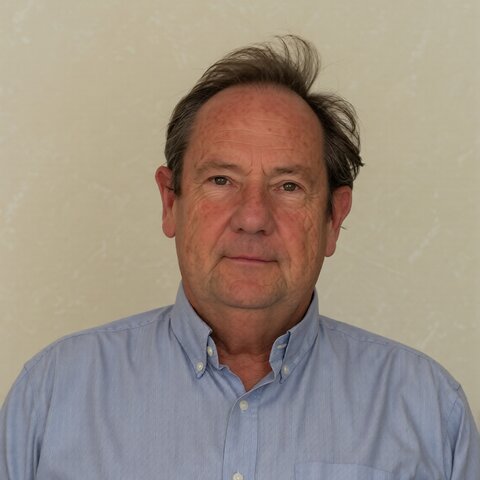

Michel Desse is a professor of geography and planning at Nantes University, where he conducts research within the Coastal, Environment, Remote Sensing, Geomatics Laboratory (LETG). His work focuses on coastal land use and practices in West Africa and the Caribbean. His research interests on Guadeloupe began in 1987 while studying land-use conflicts in the Grand-Cul-de-Sac-Marin. Since then, he has conducted extensive research and supervised numerous theses on Haitian coastlines, focusing particularly on the social acceptance of Marine Protected Areas (MPAs). Before joining Nantes, Dr. Desse lectured at the University of the French West Indies and Guiana, and later served as a professor in Poitiers. He currently teaches at Nantes University's Institute of Geography and Regional Planning (Igarun) within the Master's program in Coastal and Marine Planning.
Project
Title: ChloRa (Chlordecone & Anthropogenic Residues)
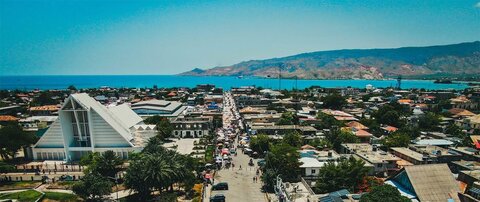
ChloRa (Chlordecone and Anthropogenic Residues) undertakes an unprecedented comparative inquiry into two silenced ecological scandals: the contamination of marine waters by chlordecone in Guadeloupe (1972–1993) and the illegal dumping of toxic ash in the Bay of Gonaïves, Haiti (1988). As of 2026, both pollution events continue to exert profound impacts on island ecosystems, economies, and societies. Rooted in extractive paradigms, these contaminations constitute forms of structural maritime violence that intertwine environmental degradation, health inequities, and territorial injustices.
Bridging the humanities and social sciences (critical geography, environmental law, risk anthropology) with the natural sciences (ecotoxicology, marine biology), ChloRa evaluates their impacts on marine ecosystems, public health, fisheries and tourism sectors, as well as on the coastal water quality of stigmatized zones. Furthermore, the project interrogates the contradictory representations of these invisible or instrumentalized pollutants, and their consequent effects on socio-spatial relationships with the littoral. Grounded in a Caribbean epistemological framework and co-constructed with local stakeholders, ChloRa aims to generate advocacy tools for decolonized marine governance, thereby transforming these vulnerabilities into catalysts for resilience and ecological reparation for both affected populations and ecosystems.
Institution: Nantes University - Coastal, Environment, Remote Sensing, Geomatics Laboratory