Post-war Transitions
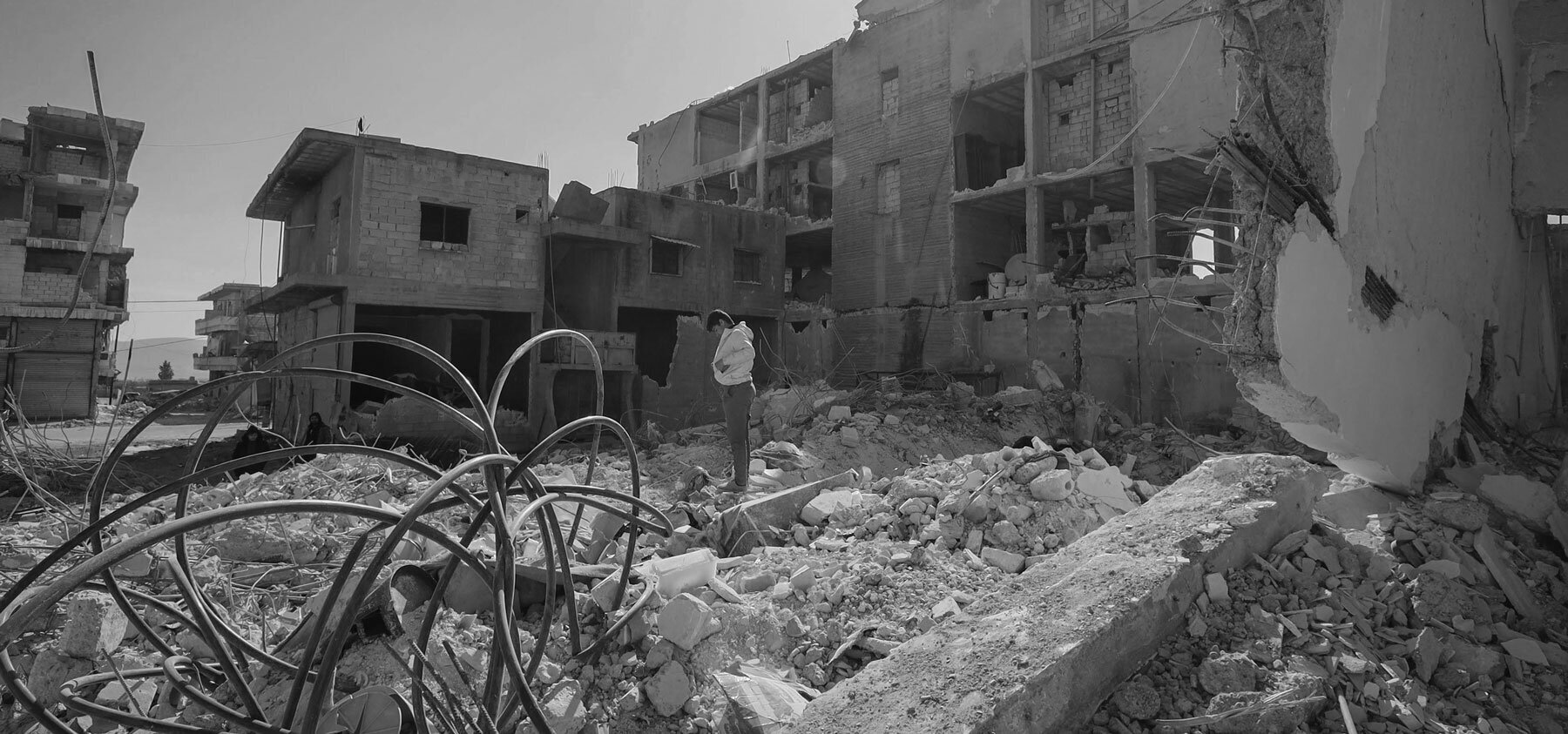
When does war end and peace begin? Armistices, ceasefire agreements and peace treaties do not mark a clear-cut break; rather, they open up an in-between period, a transition during which war continues to produce its effects. The post-war period is not the end of conflict, but its transformation. Peace is not simply a return to order, but a phase in which power, status and legitimacy are renegotiated. It emerges through strategies, collective action and processes that transform a balance of forces into a new political and social order.
In a world where conflict increasingly persists through informational, digital, economic, legal and cognitive forms, the transition out of war extends far beyond physical reconstruction. It encompasses mechanisms of justice and reparation, institutional reform, technological security, redefinitions of sovereignty and the construction of new collective narratives. It is through these dynamics that the internal balance of societies, as well as the global political and strategic order, is reshaped.
The Post-war Transitions programme explores these processes of transformation in all their complexity, from the local to the global, and from the immediate challenges of transition to the long-term dynamics of structural change. It examines the conditions for sustainable peace, the ways in which societies achieve stability, and the evolving nature of power relations.
The programme pursues three main objectives:
- To fund interdisciplinary research in collaboration with stakeholders from the economic, social and media sectors.
- To foster a dynamic knowledge network, bringing together researchers, business leaders, public decision-makers, international organisations and civil society organisations.
- To disseminate and promote research findings, encouraging wider public engagement with and understanding of the knowledge produced.

Call closed
Post-war contexts: rebuilding societies